Butterfly Gardens in South Florida
Quick Summary: Creating a Butterfly Garden in Florida
A butterfly garden adds color, movement, and life to your landscape while supporting pollinators
that are essential to Florida’s ecosystem. In the Tampa Bay area, homeowners can create thriving
butterfly habitats by choosing nectar-rich flowers, native plants, and host plants that attract
butterflies year-round. With the right design, a butterfly garden can be both beautiful and low
maintenance.
Why Butterfly Gardens Are Growing in Popularity
Butterfly gardens do more than enhance curb appeal. They help support local pollinator
populations while creating a peaceful outdoor space filled with color and activity. In Florida’s
warm climate, butterflies remain active for much of the year, making butterfly gardening
especially rewarding in Hardiness Zone 10a.
A well-designed butterfly garden can:
- Attract butterflies and beneficial pollinators
- Add seasonal color and texture
- Reduce reliance on high-maintenance turf areas
- Support local ecosystems
- Create a relaxing outdoor retreat
Choose the Right Location
Butterflies love warmth and sunlight. Most butterfly gardens perform best in areas that receive at
least six hours of sun daily.
When selecting a location, consider:
- Protection from strong wind
- Access to water
- Good drainage
- Visibility from patios, windows, or outdoor seating areas
- Placing your butterfly garden near a lanai or walkway allows you to enjoy the activity up close.
Include Both Nectar and Host Plants
Many homeowners focus only on flowering plants, but butterflies also need host plants where they lay eggs and caterpillars can feed.
Nectar Plants for Adult Butterflies
Popular Florida-friendly nectar plants include:
- Pentas
- Firebush
- Milkweed
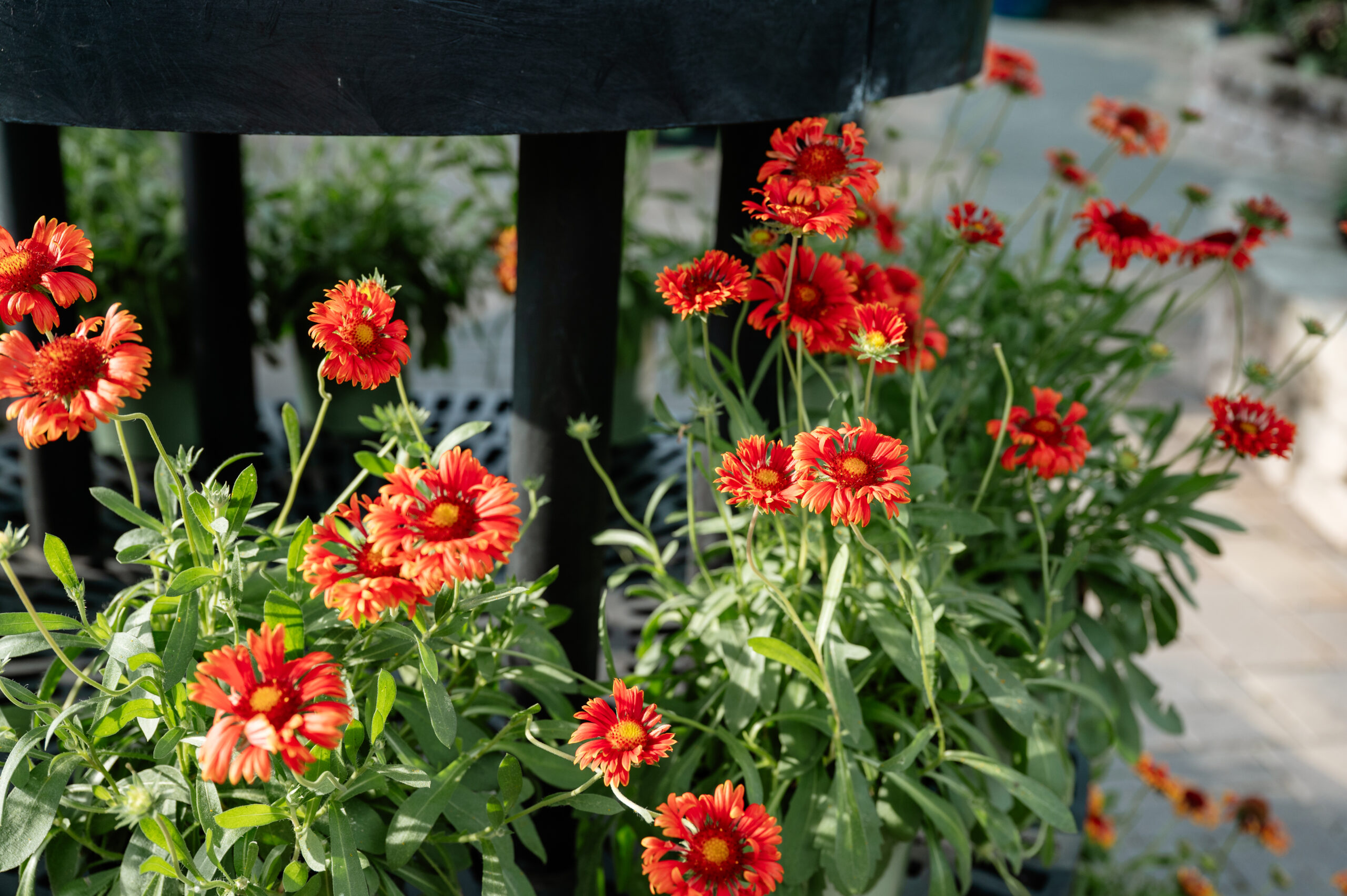
- Lantana
- Salvia
- Blue porterweed
- Coneflower
Host Plants for Caterpillars
- Host plants vary depending on the butterfly species you want to attract.
- Examples include:
- Milkweed for monarch butterflies
- Parsley and dill for black swallowtails
- Passion vine for gulf fritillaries
- Cassia for sulfur butterflies
Combining both plant types creates a complete butterfly habitat.
Use Native and Florida-Friendly Plants
Native and Florida-friendly plants are better adapted to Florida’s heat, humidity, rainfall patterns, and sandy soils. They also tend to require less water and maintenance once established.
Using locally adapted plants helps create a healthier landscape while supporting native
pollinators and wildlife.
Add Water and Resting Areas
Butterflies need shallow water sources and sunny places to rest.
Simple additions can include:
- A shallow birdbath with stones
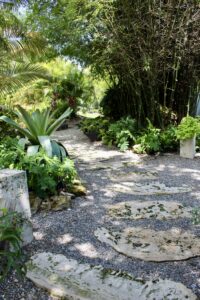
- Flat decorative rocks
- Small garden benches
- Mulched resting areas
These features also make the garden feel more inviting and visually balanced.
Avoid Harsh Pesticides
Chemical pesticides can harm butterflies, caterpillars, bees, and other beneficial insects.
Whenever possible, use natural pest management strategies and pollinator-safe products.
Healthy butterfly gardens often develop their own balance over time through biodiversity and
beneficial insects.
Create a Garden That Blooms Throughout the Year
One of the advantages of gardening in the Tampa Bay area is the ability to maintain color nearly year-round. Selecting plants with staggered bloom cycles helps ensure butterflies always have a food source available.
Mixing:
- annuals
- perennials
- shrubs
- flowering vines
creates a layered, dynamic garden with continuous visual interest.
Professional Butterfly Garden Design in Palm Harbor, FL
At Earthscapes Garden Room, we help homeowners throughout Palm Harbor and the Tampa Bay area design landscapes that are both beautiful and environmentally friendly. From butterfly
gardens and pollinator-friendly landscapes to native plant design and hardscape installation, our team can help bring your outdoor space to life.
Visit our garden center to explore Florida-friendly plants, trees, flowers, pottery, and landscape
materials for your next project.
 Previous Post
 Next Post